What Is Pyntekvister? Simple & Complete Guide
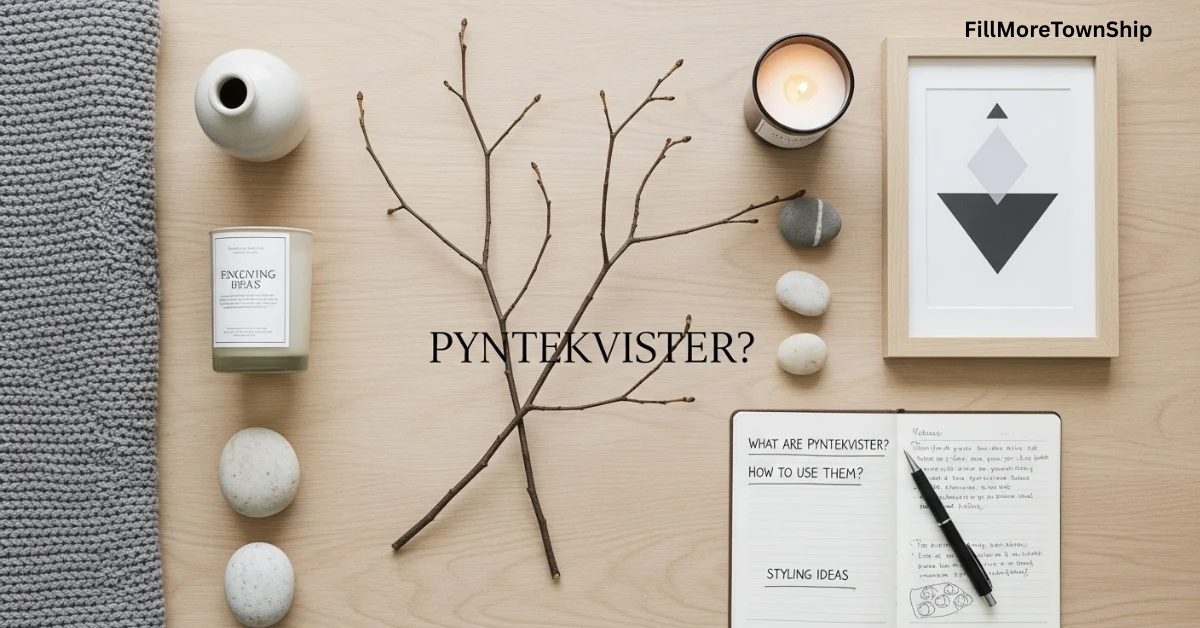
If you are curious about Pyntekvister, you are in the right place. Pyntekvister are decorative twigs or branches often used in home decoration. They come from Scandinavian traditions and bring a natural, peaceful feeling to your space. People love using them because they are simple, affordable, and versatile. You can place them in vases, on tables, or as wall decorations. They work in almost any room style, from modern apartments to rustic houses.
Using Pyntekvister does not require special skills. You can use branches collected from nature or buy them ready-made. They can be arranged alone or combined with lights, ribbons, or flowers. This guide explains everything about Pyntekvister, including meaning, decoration tips, DIY ideas, and seasonal décor inspiration.
What Pyntekvister Means
The word Pyntekvister comes from Norwegian. It combines “pynte” which means to decorate, and “kvister” which means twigs or branches. Together, it literally means decorative twigs. The term is used to describe natural or artificial branches used for home decoration, art projects, or seasonal displays.
How Pyntekvister Works in Home Decor
Pyntekvister make rooms feel calm and natural. Tall branches draw the eye upward and fill empty spaces without making a room feel crowded. They can be placed in ceramic vases, glass jars, or wooden containers. Many people combine them with fairy lights, dried flowers, or seasonal decorations.
Pyntekvister fit perfectly with Scandinavian minimalism, but they also complement rustic, modern, or boho interior designs. They are simple yet stylish, making spaces look inviting and peaceful.
Materials Used for Pyntekvister
You can find Pyntekvister made from natural or artificial materials:
- Natural wood: birch, willow, pine, cherry
- Artificial branches: plastic, resin, or metal
- Decorated versions: painted, glittered, or with lights
- Accessories: ribbons, dried flowers, or feathers
Natural branches give an earthy, minimalist feel, while artificial branches last longer and can be reused for many years.
Seasonal Decoration Ideas Using Pyntekvister
Here are some ways to use Pyntekvister throughout the year:
Winter and Christmas – Wrap small LED lights around the branches or add ornaments for a festive look.
Easter – Decorate willow branches with colorful feathers or small eggs to create a cheerful display.
Autumn – Combine twigs with dried leaves or berries to make a cozy centerpiece.
Spring and Summer – Add fresh blossoms or light green buds for a bright and natural look indoors.
Seasonal decorations with Pyntekvister are simple, fun, and connect your home with nature.
Easy DIY Pyntekvister Projects
You can create beautiful DIY arrangements with Pyntekvister.
Materials needed:
- Pyntekvister branches
- Vase or jar
- Paint, ribbons, or lights (optional)
Steps:
- Choose 3–7 branches for an odd number arrangement.
- Trim the bottom to make the branches stand straight.
- Place them in a tall vase or pot.
- Add lights, ribbons, or small flowers as desired.
DIY Pyntekvister projects are easy for adults and kids. They allow you to personalize your home decoration.
Why Pyntekvister Are Popular Worldwide
Although Pyntekvister started in Scandinavia, they are now used globally. They are popular because:
- They bring the outdoors inside
- They are low-cost or free
- They fit many interior styles
- They are eco-friendly
- They create calm, natural spaces
Designers value Pyntekvister for their simplicity and versatility.
Caring for Your Decorative Twigs
Caring for Pyntekvister is simple:
- Keep them away from damp areas
- Dust lightly with a soft cloth or brush
- Avoid direct sunlight for painted branches
With proper care, natural and artificial twigs can last a long time.
Where to Find Pyntekvister
You can find Pyntekvister in:
- Florists or craft stores
- Garden centers
- Online marketplaces
- Local parks or forests (collect responsibly)
If collecting from nature, use only fallen branches or branches from areas where collection is allowed.
FAQs
1. What exactly are Pyntekvister?
They are decorative twigs used for home décor, art projects, or seasonal displays.
2. Are they eco-friendly?
Yes, natural branches are sustainable and biodegradable.
3. Can I make my own Pyntekvister?
Yes, you can collect branches and arrange them in vases or containers.
4. How long do Pyntekvister last?
Artificial ones can last for years. Natural ones last months if kept dry and dusted.
5. Do they only fit Scandinavian décor?
No, they work in modern, rustic, boho, and minimalist interiors.
6. How do I clean Pyntekvister?
Dust lightly with a soft cloth or brush.
Conclusion
Pyntekvister are simple, natural, and versatile decorative elements. They bring the beauty of nature indoors and fit almost any home style. Whether you make DIY arrangements or buy ready-made twigs, they create peaceful and stylish spaces. Use Pyntekvister in vases, with lights, or in seasonal decorations to enhance your home with creativity and natural charm.